Introduction
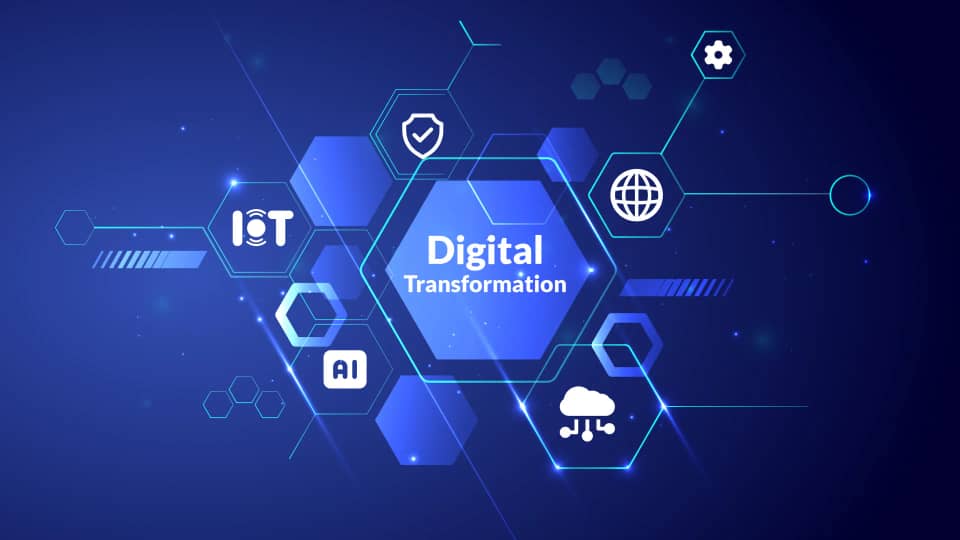
Digital transformation is no longer a future goal—it is the present reality for businesses that want to survive and grow in 2026. Across industries, organizations are rethinking how they operate, serve customers, and scale using technology. From automation and cloud computing to data analytics and custom software, digital transformation is redefining what it means to run a modern business.
In this article, we explore how digital transformation is reshaping businesses in 2026 and why embracing it is no longer optional.
What Digital Transformation Really Means in 2026
Digital transformation goes beyond having a website or social media presence. In 2026, it means strategically integrating technology into every aspect of a business to improve efficiency, agility, and customer experience.
This includes:
Businesses that treat technology as a core strategy—not just a tool—are the ones leading their industries.
Key Ways Digital Transformation Is Reshaping Businesses
1. Smarter and Faster Operations
Automation and AI-powered systems are helping businesses reduce operational costs and human error. Tasks that once took hours—such as invoicing, inventory tracking, and reporting—are now completed in minutes.
This allows teams to focus on higher-value work like innovation, strategy, and customer relationships.
2. Data-Driven Decision Making
In 2026, data is one of the most valuable business assets. Modern businesses rely on real-time analytics to understand customer behavior, market trends, and operational performance.
Instead of guessing, leaders can now make informed decisions backed by accurate data—resulting in better outcomes and reduced risk.
3. Enhanced Customer Experience
Customers expect fast, personalized, and seamless experiences across all digital touchpoints. Digital transformation enables businesses to:
Customer experience has become a major competitive advantage.
4. Scalability and Business Agility
Cloud computing and custom software solutions allow businesses to scale without massive infrastructure costs. Whether expanding to new markets or launching new products, digitally transformed businesses can adapt quickly to change.
This agility is especially important in today’s fast-moving and unpredictable business environment.
5. Stronger Collaboration and Remote Work
Digital tools such as cloud platforms, project management software, and communication systems have transformed how teams work together. Businesses can now operate efficiently with remote or hybrid teams, accessing systems securely from anywhere in the world.
This flexibility also helps companies attract and retain top talent.
Industries Being Most Impacted
Digital transformation is reshaping virtually every industry, including:
Challenges Businesses Face During Digital Transformation
While the benefits are clear, digital transformation comes with challenges such as:
This is why choosing the right technology partner is critical to success.
How Businesses Can Start or Improve Their Digital Transformation Journey
To succeed in 2026, businesses should:
Digital transformation is an ongoing journey—not a one-time project.
The Role of Dayo Edge Innovations
At Dayo Edge Innovations, we help businesses leverage technology to achieve efficiency, innovation, and sustainable growth. From custom software development and website design to digital marketing and tech advisory, we provide tailored solutions that align with your business goals.
Our mission is simple: to empower businesses with transformative technology solutions that drive real results.
Conclusion
In 2026, digital transformation is the difference between businesses that grow and those that struggle to keep up. Organizations that embrace innovation, data, and technology are building more resilient, efficient, and customer-focused operations.
The future belongs to businesses willing to adapt—and the time to transform is now.